









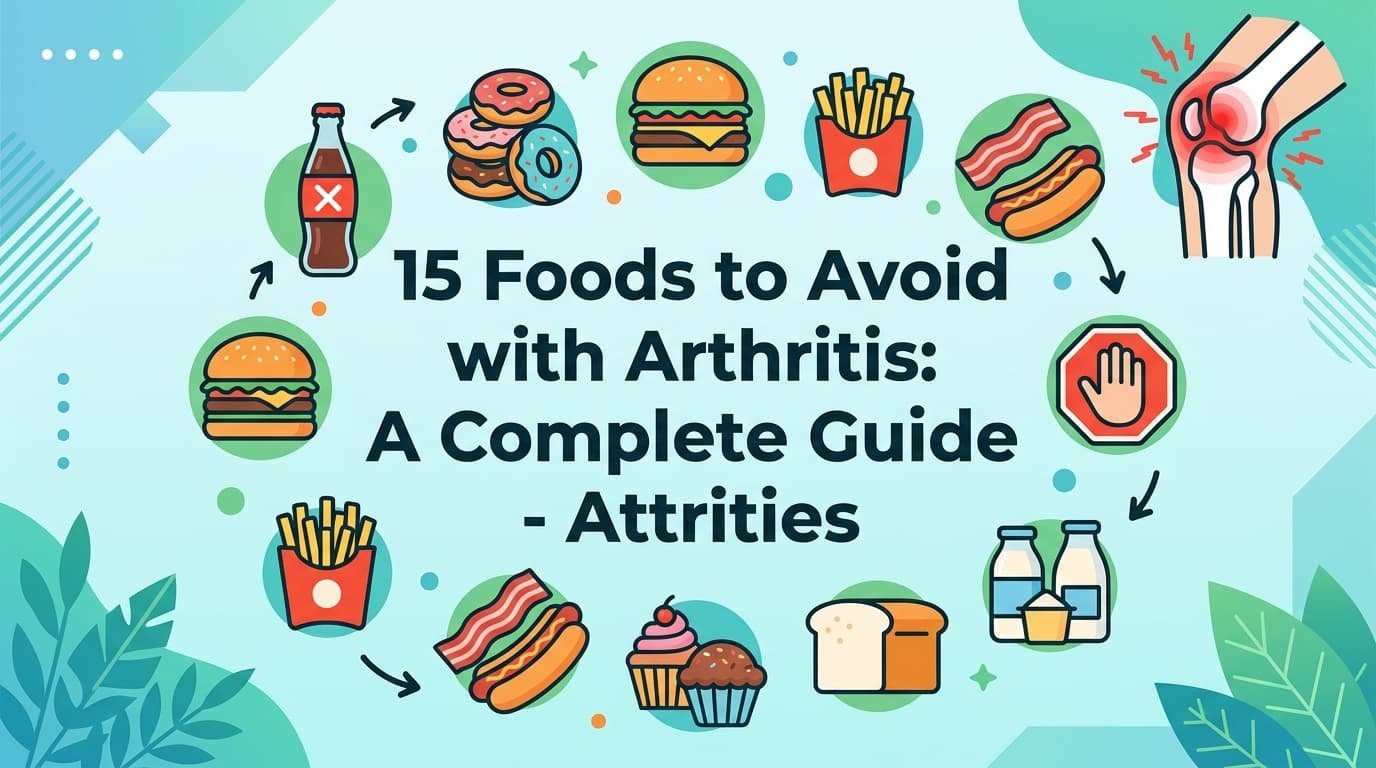
If your joints ache every morning, or certain meals seem to make your stiffness worse, your diet could be playing a bigger role than you think. Arthritis affects over 350 million people worldwide, and while there is no single food that cures it, research consistently shows that what you eat can either fuel inflammation or fight it.
This guide breaks down exactly which foods to cut back on, why they trigger joint pain, and what to eat instead, so you can take real control of your symptoms starting today.
How Does Diet Affect Arthritis Inflammation?
Arthritis, at its core, is an inflammatory condition. Although there are more than 100 specific types of arthritis that attack different body parts, they all share one characteristic: inflammation.
Your immune system responds to certain foods by releasing chemical messengers called cytokines. When we eat processed sugars, it triggers the release of what are called “inflammatory messengers” known as cytokines. Over time, a diet loaded with pro-inflammatory ingredients keeps this immune response permanently switched on, worsening joint swelling, stiffness, and pain.
The good news: switching away from inflammatory foods can meaningfully reduce these responses. Adherence to anti-inflammatory dietary patterns, particularly the Mediterranean diet and diets rich in omega-3 fatty acids, is consistently associated with a lower incidence of rheumatoid arthritis, reduced inflammatory markers, and improved clinical outcomes.
15 Foods to Avoid with Arthritis
1. Sugary Foods and Sweetened Drinks
Sugar is one of the most direct dietary triggers of inflammation. The American Journal of Clinical Nutrition warns that processed sugars trigger the release of inflammatory messengers called cytokines. This includes not just candy and desserts but also fruit juices, flavored yogurts, granola bars, and sweetened coffees, foods that seem healthy but carry hidden sugar loads.
What to do: Read ingredient labels carefully. Aim to keep added sugar below 10% of your daily calorie intake.
2. Processed and Ultra-Processed Foods
Packaged snacks, frozen meals, and deli products are packed with additives, preservatives, and trans fats. These items contain trans fats to help preserve them, and trans fats trigger systemic inflammation.
The high pro-inflammatory ingredients in processed food products, like packaged snacks, frozen dinners, and even deli meats, can cause rapid spikes in blood pressure, gut health disruption, and inflammation, leading to fluid retention, weight gain, and increased joint swelling.
3. Red Meat and Processed Meats
Red meat consumption can negatively impact joint health and increase inflammation in people with arthritis for several reasons: Advanced glycation end products (AGEs) form when meat is cooked at high temperatures and increase oxidative stress; arachidonic acid, an omega-6 fatty acid found in red meat, contributes to inflammation when consumed in excess; and high saturated fat content triggers fat tissue inflammation.
Processed meats like sausages, bacon, and hot dogs add nitrates and other preservatives on top of this, making them doubly problematic for arthritis sufferers.
4. Fried Foods and Trans Fats
Trans fats should be avoided since they can trigger or worsen inflammation and are very bad for your cardiovascular health. Trans fats come in most processed foods, such as cookies, crackers, doughnuts, and fast food. On labels, they are referred to as “partially hydrogenated vegetable oils.”
Even foods not usually thought of as “fried”, like microwave popcorn, margarine, and certain breakfast foods, may contain hidden trans fats.
5. Foods High in Advanced Glycation End Products (AGEs)
AGEs are toxic compounds that form when foods are cooked at very high temperatures, such as grilling, frying, or roasting. When you grill or fry your food or consume foods that have been cooked at high temperatures, including pasteurized foods, your body produces toxins called AGEs. These toxins can damage proteins in your body, which triggers your immune system to destroy the AGEs with cytokines, causing inflammation.
People with inflammatory arthritis, such as rheumatoid arthritis, may have higher levels of AGEs in their bodies than those without.
6. Refined Carbohydrates
White bread, white rice, pasta made from refined flour, and crackers have had most of their fiber stripped away. Refined carbohydrates found in white bread, pasta, crackers, rice, and similar foods cause a spike in blood glucose, which can exacerbate inflammation in the body.
Refined carbohydrates have been linked to higher levels of inflammatory markers in the blood. Whole-grain alternatives provide fiber and nutrients without the inflammatory spike.
7. High-Salt Foods
Excess sodium causes the body to retain water, which directly increases joint swelling. Reducing salt intake is an important part of managing arthritis. This often involves cutting back on table salt and being aware of hidden sodium in processed and packaged foods, canned goods, and restaurant meals. Excess sodium causes the body to retain water, increasing joint swelling and causing more pain and stiffness.
Common hidden salt sources include canned soups, shrimp, pizza, certain cheeses, and most restaurant meals.
8. Omega-6 Heavy Vegetable Oils
Not all fats are created equal. Corn, peanut, sunflower, safflower, and soy oils, as well as most meats, are high in omega-6 fatty acids, which are only healthy in small doses. Excessive omega-6 consumption can trigger inflammatory chemicals.
Diets high in omega-6 fats and low in omega-3 fats may worsen symptoms of knee pain, which is common with osteoarthritis and rheumatoid arthritis. Swap these for olive oil, which is low in omega-6 while supporting joint health.
9. High-Fat Dairy Products
The saturated fats, casein protein, and arachidonic acid found in high-fat dairy products can trigger inflammation in the body and lead to joint pain. For this reason, those with arthritis should limit or avoid high-fat dairy.
Full-fat cheese, butter, and cream are the main culprits. Low-fat dairy or plant-based alternatives like oat milk and almond milk are gentler options.
10. Alcohol
Consuming alcohol increases inflammation in the body. While quitting alcohol may be difficult, the long-term effects may be beneficial to people with arthritis and may also improve their sleep.
Alcohol also interferes with the effectiveness of common arthritis medications such as methotrexate, making it doubly important to cut back or eliminate alcohol.
11. Gluten (For Sensitive Individuals)
People who have joint pain and are sensitive to gluten, found in wheat, barley, and rye, may find relief by avoiding them. Those diagnosed with celiac disease, in which gluten sets off an autoimmune response, sometimes experience joint pain and may find relief when they adopt a gluten-free diet.
A recent study published in the Oxford Journal of Rheumatology states that 41 percent of those suffering from rheumatoid arthritis improve on gluten-free diets.
12. Nightshade Vegetables (Individual Sensitivity)
Tomatoes, peppers, eggplant, and potatoes belong to the nightshade family. While they are nutritious for most people, some arthritis patients report increased joint pain after eating them. The compound solanine found in nightshades may aggravate inflammation in sensitive individuals. If you suspect a reaction, try eliminating them for 4-6 weeks and monitor your symptoms.
13. Artificial Sweeteners
Aspartame is a non-nutritive, intense artificial sweetener found in more than 4,000 products worldwide. While it’s approved by the FDA, studies on its effects are mixed, and the impact on people with autoimmune disease remains unknown. People with arthritis, particularly those with autoimmune forms like RA, are wise to approach artificial sweeteners with caution.
14. Canned and Packaged Foods
Beyond sodium, many canned foods are lined with BPA (bisphenol-A), an industrial chemical that has been associated with increased inflammation and hormonal disruption. Choose fresh, frozen (unseasoned), or BPA-free packaged options where possible.
15. Fast Food
Fast food combines nearly every arthritis trigger in one meal: trans fats, refined carbs, excessive salt, omega-6 oils, and AGEs from high-temperature cooking. Regular fast food consumption keeps inflammation persistently elevated and also contributes to weight gain, which places additional stress on arthritic joints.
Quick Reference: Foods to Avoid vs. Better Alternatives
| Foods to Avoid | Better Alternative |
| White bread & white rice | Whole-grain bread, brown rice, quinoa |
| Sugary drinks & soda | Water, green tea, tart cherry juice |
| Red meat & processed meat | Fatty fish (salmon, sardines), tofu, lentils |
| Vegetable oils (corn, sunflower) | Extra-virgin olive oil |
| Fried foods & fast food | Baked, steamed, or grilled dishes |
| High-fat dairy | Low-fat dairy or plant-based milk |
| Canned soups (high sodium) | Homemade soups with low-sodium broth |
| Alcohol | Sparkling water with lemon, herbal teas |
What Foods Actually Help Arthritis?
Cutting inflammatory foods is only half the equation. Incorporating anti-inflammatory foods into your meals can help reduce inflammation, ease joint pain, and improve mobility. Focus on:
- Fatty fish (salmon, mackerel, sardines) – rich in omega-3 fatty acids that reduce joint stiffness and swelling
- Extra-virgin olive oil – rich in healthy monounsaturated fats and polyphenols, EVOO contains oleocanthal, a compound that may reduce joint pain
- Leafy greens (spinach, kale) and colorful vegetables
- Berries and cherries are high in antioxidants that combat oxidative stress
- Turmeric and ginger – natural anti-inflammatory spices supported by research
- Whole grains – wholegrains like quinoa, brown rice, and whole oats contain fibre, which may help reduce levels of C-reactive protein, a key marker of inflammation.
- Nuts and seeds – walnuts, flaxseeds, and chia seeds provide healthy fats and antioxidants
The Role of Weight Management in Arthritis
Every extra pound of body weight places roughly 4 pounds of additional pressure on your knee joints. Maintaining a healthy weight is important for your overall well-being, and consuming a balanced diet may help reduce inflammation and improve joint pain.
An anti-inflammatory diet not only reduces cytokine activity directly but also supports gradual, sustainable weight loss, taking real mechanical pressure off inflamed joints.
Mediterranean and DASH Diets for Arthritis
Rather than memorizing a list of individual foods, consider adopting a proven dietary framework. The Mediterranean Diet emphasizes eating more whole foods than ultra-processed foods that contain many additives.
The DASH Diet is a nutrition plan designed to help heart health, emphasizing nutrient-rich, whole foods that also lower inflammation. Both of these diets not only reduce inflammation but also improve overall health and may extend longevity.
Both patterns naturally eliminate most of the 15 foods listed above while building in plenty of omega-3s, fiber, antioxidants, and healthy fats.
Lifestyle Factors That Work Alongside Diet
Diet alone is powerful, but pairing it with other healthy habits amplifies the results:
- Regular low-impact exercise – swimming, cycling, and walking- keeps joints mobile without adding stress
- Adequate sleep – poor sleep raises cortisol, which amplifies inflammation
- Stress management – chronic stress elevates pro-inflammatory cytokines
- Staying hydrated – water keeps joint cartilage lubricated and reduces stiffness
- Quitting smoking – smoking increases your risk of rheumatoid arthritis and worsens existing inflammation.
When to See a Doctor or Dietitian
Diet changes can meaningfully support arthritis management, but they are not a replacement for medical care. Speak to a rheumatologist if your symptoms are worsening, and consider working with a registered dietitian to build a personalized anti-inflammatory meal plan, especially if you take medications like methotrexate or NSAIDs, which can interact with certain nutrients.
Frequently Asked Questions (FAQs)
What is the single worst food for arthritis?
Processed sugars are widely considered the most direct dietary trigger, as they rapidly stimulate cytokine release and drive systemic inflammation.
Can diet alone cure arthritis?
No. Diet helps manage and reduce symptoms significantly, but arthritis requires a comprehensive approach including medical treatment, exercise, and lifestyle changes.
Are eggs bad for arthritis?
Eggs contain arachidonic acid, which can promote inflammation in some people. Moderate consumption is generally fine, but those with RA may benefit from monitoring their response.
Is coffee good or bad for arthritis?
Evidence is mixed. Some studies suggest moderate coffee intake may have anti-inflammatory effects, while others link it to increased RA risk. Listen to your body and consult your doctor.
Are nightshade vegetables harmful to all arthritis patients?
No, only a subset of patients reports sensitivity. Unless you notice a clear connection between nightshades and flare-ups, there is no need to avoid them, as they are nutritious for most people.
How quickly can dietary changes reduce arthritis symptoms?
Most people notice a meaningful difference in joint stiffness and pain within 4 to 12 weeks of consistent dietary changes.
Is dairy completely off-limits for arthritis?
Not necessarily. Low-fat dairy may be tolerable for many people. High-fat dairy, particularly full-fat cheese, butter, and cream, is what tends to trigger inflammation.
What drinks should arthritis patients avoid?
Avoid sugary sodas, fruit juices with added sugar, alcohol, and energy drinks. Green tea, water, and tart cherry juice are excellent arthritis-friendly alternatives.
Does gluten worsen arthritis in everyone?
No, gluten is mainly a concern for people with celiac disease or gluten sensitivity. However, those with rheumatoid arthritis may benefit from trialing a gluten-free diet to see if symptoms improve.
Can omega-3 supplements replace dietary fish?
Fish oil supplements can help if you do not eat fish regularly, but whole food sources like salmon and sardines provide additional nutrients, vitamins D and B12, selenium, that supplements cannot fully replicate.
Conclusion
Managing arthritis through diet is not about perfection; it is about consistent, informed choices. Start by reducing the biggest inflammatory triggers: sugar, processed foods, red meat, fried foods, and refined carbs. Replace them gradually with omega-3-rich fish, olive oil, colorful vegetables, and whole grains.
Small, sustainable swaps add up to real reductions in joint pain, stiffness, and inflammation over time. Your joints are worth the effort.