








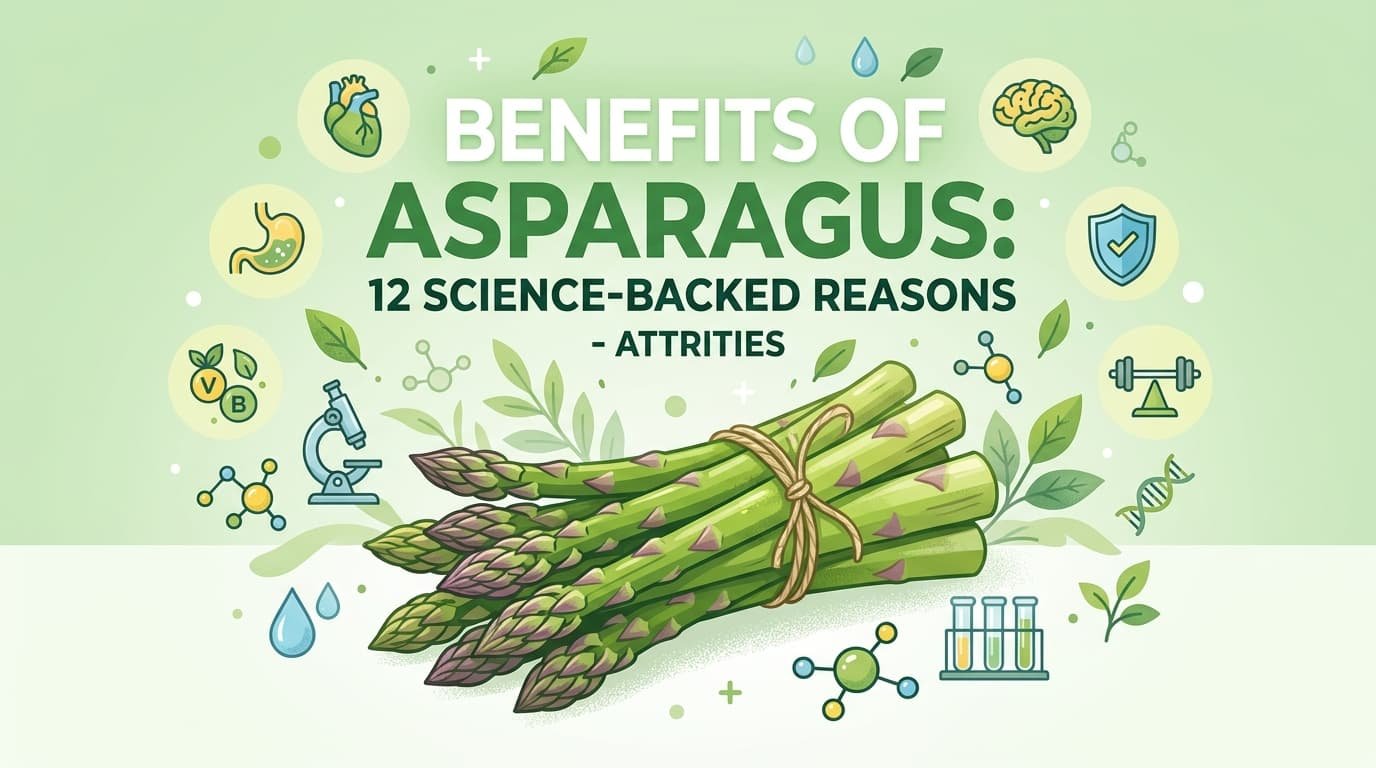
Asparagus might not be the loudest vegetable in the produce aisle, but when it comes to nutritional power, few vegetables come close. Whether you steam it, roast it, or toss it into a stir-fry, asparagus delivers a remarkable range of vitamins, minerals, antioxidants, and fiber, all for fewer than 25 calories per 100 grams.
In this article, you’ll discover the key benefits of asparagus, its full nutritional profile, who should eat more of it, and how to make the most of it in your diet. Every benefit is backed by current research and dietary science.
What Is Asparagus?
Asparagus (Asparagus officinalis) is a perennial vegetable belonging to the lily family. It has been cultivated for over 2,000 years, with roots in the Mediterranean region. Today, it comes in three main varieties, green, white, and purple, each offering a slightly different nutrient concentration and flavor profile.
It is sometimes called “the king of vegetables,” and for good reason. Few plant foods offer such a concentrated blend of essential micronutrients in such a low-calorie package.
Asparagus Nutritional Profile (Per 100g, Cooked)
Before diving into the benefits, it helps to understand what’s actually inside asparagus.
| Nutrient | Amount | % Daily Value |
| Calories | 22 kcal | ~1% |
| Protein | 2.4 g | 5% |
| Dietary Fiber | 2.1 g | 8% |
| Vitamin K | 50 mcg | ~55% |
| Folate (B9) | 149 mcg | ~37% |
| Vitamin C | 12 mg | 13% |
| Vitamin A | 756 IU | 15% |
| Vitamin E | 1.1 mg | 7% |
| Potassium | 202 mg | 6% |
| Iron | 2.1 mg | 12% |
Source: USDA FoodData Central, 2024
Asparagus is also composed of approximately 93% water, making it naturally hydrating. It contains chromium, zinc, copper, magnesium, and the amino acid asparagine, named directly after the plant.
12 Evidence-Based Benefits of Asparagus
- Packed With Essential Nutrients in a Low-Calorie Food
One of the most impressive things about asparagus is the sheer volume of nutrients it delivers relative to its calorie count. Just half a cup (about 4 spears) provides nearly a third of your daily folate needs, over half your vitamin K needs, and meaningful amounts of vitamins A, C, and E, all for under 20 calories.
This makes asparagus an ideal food for people who want nutrient density without caloric burden. It supports overall well-being, energy metabolism, and immune defense simultaneously.
- Supports Heart Health
Asparagus contains several compounds that actively protect cardiovascular health.
- Folate helps break down homocysteine, an amino acid that, in high levels, is linked to increased heart disease risk.
- Potassium (over 200mg per serving) helps relax blood vessel walls and manage blood pressure.
- Insoluble fiber binds to dietary cholesterol in the digestive tract and helps remove it before absorption, lowering LDL (“bad”) cholesterol levels.
- Anthocyanins in purple asparagus have antioxidant effects that research associates with a reduced risk of cardiovascular disease.
Together, these compounds make asparagus a meaningful addition to any heart-healthy diet.
- Rich in Powerful Antioxidants
Asparagus is loaded with antioxidants that protect your cells from oxidative stress, a key driver of chronic disease and premature aging.
Key antioxidants in asparagus include:
- Vitamin C and Vitamin E – protect cells from free radical damage
- Quercetin, kaempferol, and isorhamnetin – flavonoids with anti-inflammatory and anti-cancer properties
- Glutathione – one of the body’s most important antioxidants, supporting liver detox and skin health
- Beta-carotene and lutein – carotenoids that protect eye tissue and reduce inflammation
These compounds don’t just work individually; they act synergistically to reduce systemic inflammation and lower the risk of conditions like heart disease, type 2 diabetes, and certain cancers.
- Improves Digestive Health
Asparagus is a strong ally for your gut, thanks to two types of dietary fiber it contains:
- Insoluble fiber adds bulk to stool, supports regular bowel movements, and prevents constipation.
- Soluble fiber acts as a prebiotic, which feeds beneficial gut bacteria, including Bifidobacterium and Lactobacillus strains.
Asparagus also contains inulin, a naturally occurring prebiotic compound. A 2025 study published in Food Function found that asparagus powder fermented by human gut microbiota helped protect intestinal cells from injury and inflammation. A healthy gut microbiome is associated with better immunity, improved mood, and reduced risk of colorectal cancer.
- Supports Healthy Pregnancy
Asparagus is one of the best natural food sources of folate (vitamin B9), and this matters enormously during pregnancy.
A single serving provides close to 37% of the daily folate requirement. Folate is essential for:
- Proper DNA synthesis and cell division
- Fetal neural tube development in the first trimester
- Prevention of serious birth defects affecting the brain and spine
- Reducing the risk of folate-deficiency anemia in expectant mothers
Healthcare professionals recommend that women of childbearing age prioritize folate-rich foods like asparagus alongside prescribed prenatal supplements. It’s a simple, natural way to support early fetal development.
- Acts as a Natural Diuretic
Asparagus contains asparagine, a naturally occurring amino acid that gives this vegetable its mild diuretic effect. This means it gently encourages the kidneys to increase urine output, which helps:
- Flush excess salt and fluid from the body
- Reduce water retention and bloating
- Support kidney function
- Manage blood pressure in people prone to fluid retention
A 2010 study published in the West Indian Medical Journal confirmed asparagus extract’s diuretic properties. A more recent 2023 study in Phytotherapy Research noted that asparagine and related compounds may promote urinary tract health and assist with natural detoxification.
Note: People with uric acid kidney stones should speak with a doctor before significantly increasing asparagus intake.
- Helps With Weight Management
Asparagus ticks nearly every box for a weight-friendly food:
- Only 22 calories per 100 grams
- High in fiber, which slows digestion and promotes satiety
- High water content (93%), which adds volume without calories
- Virtually zero fat
Fiber slows gastric emptying, meaning you stay fuller for longer after meals. Adding asparagus to a balanced diet can help reduce overall calorie intake naturally, without the sensation of deprivation. It’s also low in fermentable sugars, making it suitable for most people, including those following low-carb eating patterns.
- Supports Blood Sugar Regulation
Asparagus may help people manage blood sugar levels in two meaningful ways.
First, its fiber content slows the absorption of glucose from food, preventing sharp post-meal blood sugar spikes. Second, asparagus contains chromium, a trace mineral that plays a role in enhancing insulin’s ability to transport glucose from the bloodstream into cells.
Animal studies have suggested that asparagus may help reduce insulin resistance and improve lipid metabolism, though more large-scale human trials are needed to confirm these effects fully.
- Boosts Brain Health and Mood
Folate isn’t just important during pregnancy; it’s critical for brain function at every stage of life.
Research from Tufts University found that older adults with adequate folate and B12 levels performed significantly better on tests measuring cognitive response speed and mental flexibility compared to those with deficient levels. Asparagus is one of the richest plant-based sources of folate available.
Additionally, asparagus contains tryptophan, an amino acid linked to serotonin production, and high levels of vitamin B6, both of which can help regulate mood, reduce irritability, and support emotional well-being. Studies have found correlations between low folate and vitamin B12 levels and higher rates of depression.
- Promotes Bone Health
Asparagus provides approximately 55% of the daily recommended intake of Vitamin K per serving. Vitamin K is essential for:
- Activating proteins that regulate bone mineralization
- Managing calcium distribution in the body
- Reducing bone fragility and osteoporosis risk
It also contributes phosphorus, iron, and small amounts of calcium, nutrients that work together to maintain bone density over time. Regular consumption as part of a balanced diet may help protect against age-related bone loss.
Important: If you are taking blood-thinning medication like warfarin, consult your doctor about vitamin K intake, as it can affect how these drugs work.
- Supports Eye Health
The carotenoids lutein and zeaxanthin in asparagus are particularly important for protecting vision. These compounds accumulate in the retina and macula, where they filter harmful blue light and reduce oxidative damage to eye tissue.
Research links adequate intake of these carotenoids with a lower risk of:
- Age-related macular degeneration (AMD)
- Cataracts
- General vision deterioration over time
Vitamin A in asparagus further supports the cornea’s health and the eye’s ability to self-lubricate and adapt to light.
- Anti-Inflammatory Properties
Chronic low-grade inflammation is the underlying driver of many modern diseases, from arthritis to metabolic syndrome. Asparagus contains several bioactive compounds that help keep inflammation in check.
Sulfur-containing compounds in asparagus, including asparagusis acid, have been found to inhibit COX-2, an enzyme directly involved in inflammation and pain signaling, the same enzyme targeted by common anti-inflammatory medications.
Flavonoids like quercetin also demonstrate measurable anti-inflammatory effects in scientific studies. Incorporating asparagus regularly into an anti-inflammatory diet alongside foods like olive oil, berries, and oily fish can meaningfully reduce systemic inflammation markers.
Green vs White vs Purple Asparagus: Which Is Best?
| Type | Key Difference | Best For |
| Green | Most common; highest in chlorophyll and fiber | General health, everyday cooking |
| White | Grown without sunlight; milder flavor, lower antioxidants | Delicate European dishes |
| Purple | Richest in anthocyanins; slightly sweeter | Antioxidant boost, heart health |
All three types offer meaningful nutrition. Green asparagus is the most widely available and tends to deliver the broadest nutrient profile.
How to Eat Asparagus Without Losing Nutrients
Cooking method matters. Here’s how different preparations affect nutritional content:
- Steaming (3-5 minutes): Best for preserving water-soluble vitamins like C and folate
- Roasting: Develops flavor well; use low heat to minimize nutrient loss
- Blanching briefly: Good for preserving color and texture
- Raw: All nutrients fully intact, try thin spears in salads
- Avoid boiling for long periods: Vitamins leach into the water and are largely lost
If you’re roasting, add a small amount of olive oil; this improves absorption of fat-soluble vitamins A, E, and K.
How Much Asparagus Should You Eat Per Day?
There’s no official upper limit for asparagus consumption. A practical daily portion is 4-8 spears (roughly 100-150g), which delivers a strong micronutrient dose without overconsumption.
Most people can eat asparagus daily without issue. Those with gout, uric acid kidney stones, or on blood-thinning medications should speak with a healthcare provider about appropriate serving sizes.
Possible Side Effects of Asparagus
Asparagus is safe for the vast majority of people, but a few things are worth knowing:
- Urine odor: A harmless sulfur compound called asparagusic acid causes the distinctive smell some people notice after eating asparagus. Not everyone can detect it; this is genetic.
- Gout: Asparagus contains purines, which can raise uric acid levels. Those with gout should moderate their intake.
- Kidney stones: People prone to uric acid stones are advised to limit asparagus.
- Medication interactions: High vitamin K intake can interfere with anticoagulant medications like warfarin.
- Allergies: Rare, but asparagus allergies do exist, especially in people allergic to other plants in the lily family.
Frequently Asked Questions (FAQs)
Is asparagus good for you every day?
Yes. Eating asparagus daily is safe for most people and provides a consistent supply of folate, vitamin K, fiber, and antioxidants that support long-term health.
What does asparagus do for the body?
It supports heart health, digestive function, bone strength, brain health, eye protection, blood sugar regulation, and a healthy pregnancy, all backed by nutritional research.
Does asparagus help with bloating?
Asparagus has a mild diuretic effect that helps flush excess fluid from the body, which can reduce bloating and water retention over time.
Is asparagus good for weight loss?
Yes. With only 22 calories per 100g, high fiber, and 93% water content, asparagus promotes satiety while keeping calorie intake low.
Why does asparagus make urine smell?
A compound called asparagusic acid, unique to asparagus, breaks down into sulfur-containing byproducts during digestion. These are excreted through urine, causing the distinctive odor — completely harmless and experienced (or smelled) by roughly 40–50% of people.
Can pregnant women eat asparagus?
Absolutely. Asparagus is an excellent source of folate, which is critical during early pregnancy for fetal neural tube development. It should be cooked thoroughly to minimize any food safety risk.
Is asparagus good for the kidneys?
For most people, yes. Its natural diuretic properties support kidney function and help flush waste. However, people prone to uric acid kidney stones should consult a doctor before consuming large amounts.
Does asparagus help with blood pressure?
Yes. Its potassium content helps relax blood vessel walls, and its diuretic effect reduces excess sodium, both of which contribute to healthier blood pressure levels.
Which color of asparagus is the healthiest?
All three types are nutritious. Green has the broadest nutrient profile; purple has the highest antioxidant content thanks to anthocyanins.
Can diabetics eat asparagus?
Yes. Asparagus is low-glycemic, high in fiber, and contains chromium, which supports insulin function. It is generally considered an excellent food choice for people managing blood sugar.
Conclusion
Asparagus is one of the most nutritionally complete vegetables available. From supporting heart health and pregnancy to protecting vision, strengthening bones, and feeding beneficial gut bacteria, it earns its reputation as a superfood. It’s low in calories, high in fiber, rich in folate and vitamin K, and packed with antioxidants that fight inflammation and oxidative stress.
Adding asparagus to your meals a few times a week, steamed, roasted, or raw, is one of the simplest upgrades you can make to your diet. The science is clear: this humble green vegetable delivers outsized health benefits for the investment it asks.