








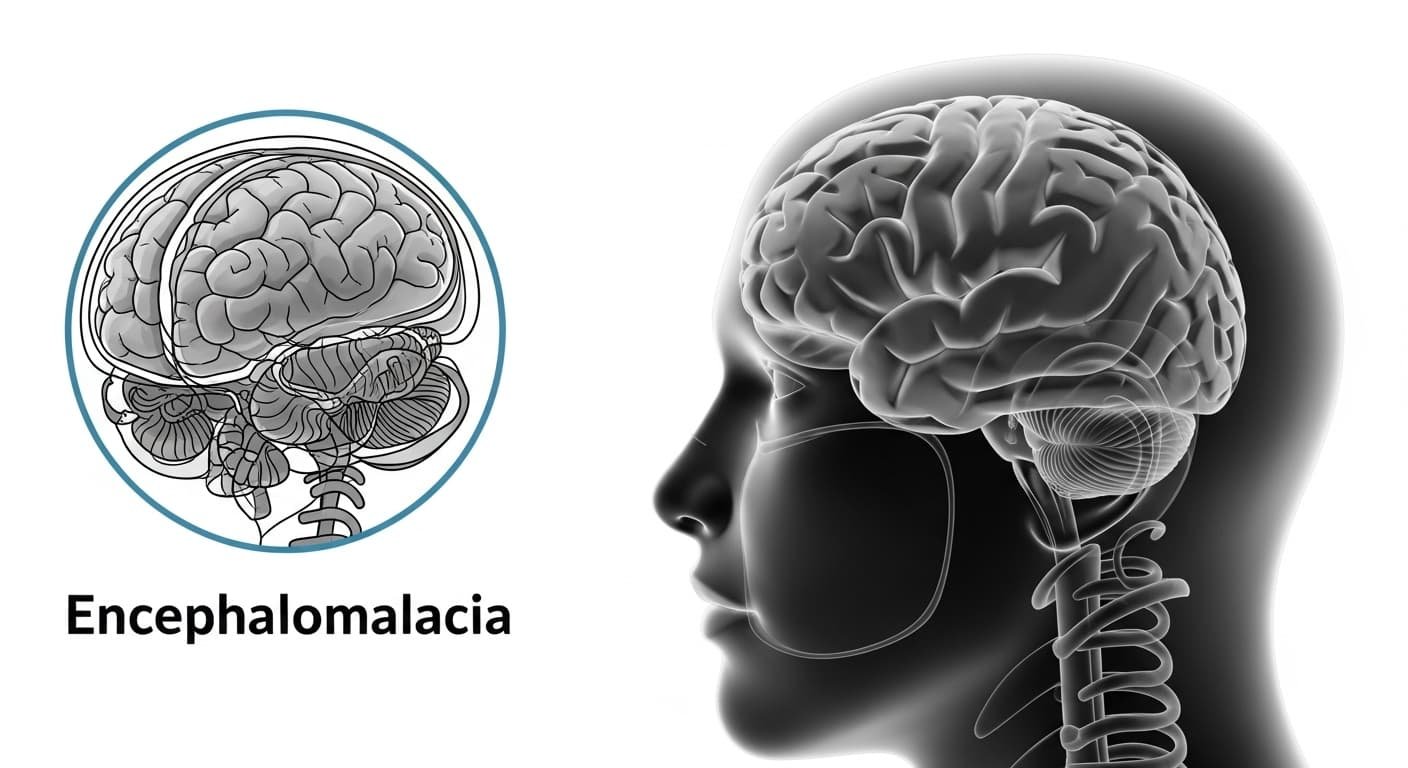
Encephalomalacia might sound like a rare medical term, but it affects thousands of Americans every year, often following a stroke, traumatic brain injury, or infection. In simple terms, it’s the permanent softening and loss of brain tissue after injury, where dead neurons are replaced by fluid-filled spaces or scar tissue. This condition doesn’t heal like a cut on your skin; once brain cells die, they don’t grow back. Yet understanding encephalomalacia can make a huge difference in recovery, daily life, and peace of mind.
Whether you’re a patient, caregiver, or simply researching after a concerning scan, this guide breaks down everything in plain English, from its ancient Greek roots to the latest imaging insights and practical care tips. You’ll learn what causes it, how it’s diagnosed and managed, and real steps to improve quality of life. Knowledge here isn’t just power, it’s hope for better tomorrows.
What Is Encephalomalacia?
Encephalomalacia is the medical term for the softening or loss of brain tissue that happens after severe damage. Pathologists originally described it as the brain literally turning “soft” due to liquefactive necrosis, a process where injured tissue breaks down and is replaced by fluid that looks like cerebrospinal fluid (CSF) on scans. Radiologists today use it more broadly to mean any area of brain parenchyma loss, often surrounded by gliosis (scar-like glial cell growth).
It can be cystic (fluid-filled cavities), multifocal (multiple spots), or diffuse (widespread). The key point: this damage is permanent. Neurons don’t regenerate like other body cells, so the affected area stays as a “void” in the brain. Location matters enormously; frontal lobe damage might affect personality and decision-making, while occipital lobe involvement can impair vision.
History and Etymology
The word “encephalomalacia” comes straight from Ancient Greek: “en” (in), “kephalē” (head) forming “enképhalos” (brain), plus “malakía” (softness or sickness). It literally means “brain softening.” The term dates back to the 1840s, with the earliest recorded use around 1842 in medical literature describing post-injury brain changes.
By the mid-1800s, doctors like Thomas Inman documented cases of cerebral softening linked to bleeding or inflammation. Over time, it evolved from a pathologist’s gross description (red, yellow, or white softening stages based on color and age of damage) to the precise imaging term we use today. This long history reminds us that while the name is old, modern radiology has transformed how we detect and understand it.
Radiographic Features
On CT scans, encephalomalacia appears as hypoattenuation (darker areas) with volume loss, slightly denser than CSF but clearly abnormal. You’ll often see associated gliosis and Wallerian degeneration (downstream nerve fiber shrinkage). MRI is the gold standard: the area follows CSF signal perfectly on all sequences, including FLAIR (fully attenuated, meaning it “disappears” like fluid). T1-weighted images show low signal (dark), T2-weighted images show high signal (bright), and there’s facilitated diffusion on ADC maps.
No restricted diffusion or enhancement usually, distinguishing it from fresh strokes. These features help radiologists pinpoint the exact location and extent, which directly guides prognosis and care.
What Causes Encephalomalacia?
Anything that kills brain tissue can trigger encephalomalacia. The most common culprits include cerebral ischemia (stroke cutting off blood flow), hemorrhage (bleeding inside the brain), traumatic brain injury from car accidents, falls, or sports, infections like encephalitis or abscesses, and complications from surgery or oxygen deprivation (hypoxia).
Non-traumatic causes are often under-discussed but critical: perinatal injuries in newborns, autoimmune conditions, or even long-term effects from severe sleep apnea or inflammatory diseases. In the U.S., motor vehicle crashes and falls remain the leading trauma-related triggers, but stroke-related cases are rising with our aging population.
What Are the Stages of Encephalomalacia?
Encephalomalacia progresses in three main stages:
Initial stage: Right after injury, swelling and bleeding disrupt blood flow, starving neurons of oxygen.
Degeneration stage: Necrotic tissue breaks down via liquefactive necrosis, macrophages clear debris over days to weeks, turning solid brain matter soft and liquid.
Chronic stage: Months later, the area stabilizes into fluid-filled cavities or gliotic scars. Historically, pathologists noted color changes: red (early hemorrhagic), yellow (intermediate), and white (late cystic). Once chronic, the damage doesn’t spread, but its effects on function can evolve slowly, making early intervention vital.
What’s the Clinical Significance of Encephalomalacia?
Clinically, encephalomalacia matters because it’s a permanent marker of past injury that can become an epilepsy focus or worsen cognitive decline over time. Even small areas may cause seizures years later, while larger ones lead to lasting deficits in memory, movement, or behavior. Prognosis varies widely by size, location, and rehab effort; some patients regain surprising function through neuroplasticity, while others face lifelong challenges.
In the U.S., it significantly impacts quality of life, employment, and caregiving needs. The good news? With proper management, many people live full, meaningful lives. It also carries legal weight in accident cases, where documenting the condition supports compensation for ongoing care.
What Are Encephalomalacia Symptoms?
Symptoms depend entirely on where and how much brain tissue is lost. Common ones include headaches, dizziness, seizures, one-sided weakness or numbness, vision or speech problems, memory loss, and personality or mood changes. Frontal lobe encephalomalacia might cause impulsivity or poor planning; parietal damage can affect spatial awareness.
Symptoms can appear immediately or emerge gradually as swelling subsides. In chronic cases, depression, anxiety, or fatigue often compound the physical issues. Not everyone experiences every symptom; some scans reveal “silent” encephalomalacia with minimal daily impact.
How Is Encephalomalacia Diagnosed?
Diagnosis combines clinical history, neurological exam, and imaging. MRI provides the clearest picture of tissue loss and CSF-like changes, while CT is faster for emergencies and shows volume loss well. Doctors rule out mimics like porencephaly or simple gliosis.
Advanced techniques like quantitative MRI or PET scans are emerging to assess surrounding brain health and seizure risk. In the U.S., neurologists often coordinate with radiologists for precise reports. Early diagnosis after trauma or stroke allows faster therapy start, improving outcomes.
What Are Encephalomalacia Treatment Options?
There is no cure; once tissue is lost, it stays lost, but treatment focuses on symptoms and maximizing function. Physical, occupational, and speech therapy help rebuild skills. Medications control seizures, pain, or mood issues.
In rare cases with refractory epilepsy, surgery (resection or hemispherectomy) may remove the irritative focus. Emerging research explores neuroregenerative approaches like stem cells or brain-computer interfaces, though these remain experimental. The goal in U.S. care is multidisciplinary: neurologists, physiatrists, and therapists working together for the best quality of life.
How Should Radiologists Report Encephalomalacia?
Clear, consistent reporting helps everyone. Radiologists should note the exact location, size, and extent of parenchymal loss; describe signal characteristics (CSF-like on all sequences); mention associated gliosis, hemosiderin, or Wallerian degeneration; and comment on any mass effect or secondary findings.
Comparing to prior scans shows stability or progression. Differential considerations (e.g., porencephaly, old infarct) belong in the report. In the U.S., detailed templates improve communication with referring clinicians and support legal or disability documentation.
Best Care Tips for Encephalomalacia
Living with encephalomalacia means focusing on what you can control. Prioritize neuroprotective habits: a Mediterranean-style diet rich in omega-3s, regular low-impact exercise, quality sleep, and stress management. Working with a multidisciplinary team for personalized rehab, cognitive training apps, and adaptive tech can help with daily tasks.
Home safety modifications (grab bars, lighting) prevent falls. Caregivers: watch for mood changes and seek counseling early. Stay connected with support groups through the Brain Injury Association of America. Regular follow-up MRIs track changes, and never skip seizure meds. Small, consistent steps often yield the biggest gains in independence and joy.
FAQs
What Is Encephalomalacia and What Causes It?
Encephalomalacia is permanent brain tissue softening from liquefactive necrosis after injury. Causes range from stroke and trauma to infection or hypoxia.
Why Does Encephalomalacia Occur?
It occurs when brain cells die, and the tissue breaks down into fluid-filled spaces because neurons cannot regenerate after severe insults like oxygen loss or bleeding.
When Should You Seek Medical Attention for Encephalomalacia?
Seek immediate care for new seizures, worsening headaches, sudden weakness, vision changes, or confusion, especially after any head injury or stroke.
Where Does Encephalomalacia Typically Occur in the Brain?
It can happen anywhere,e but is common in vascular territories (middle cerebral artery after stroke) or at trauma sites like frontal or temporal lobes.
Who Is at Risk for Developing Encephalomalacia?
Anyone experiencing stroke, severe head trauma, brain infection, or oxygen deprivation is at risk. Newborns, older adults, and accident victims face higher odds in the U.S.
Conclusion
Encephalomalacia is a lifelong reminder of a past brain injury, but it doesn’t define your future. With clear information, expert care, and proactive daily strategies, many people regain independence and thrive. If you or a loved one faces this diagnosis, start with a trusted neurologist, lean on rehabilitation specialists, and know you’re not alone.
Share this article, ask questions in the comments, and stay informed. Early action truly changes lives. For personalized advice, always consult your healthcare provider. Here’s to stronger brains and brighter days ahead.