







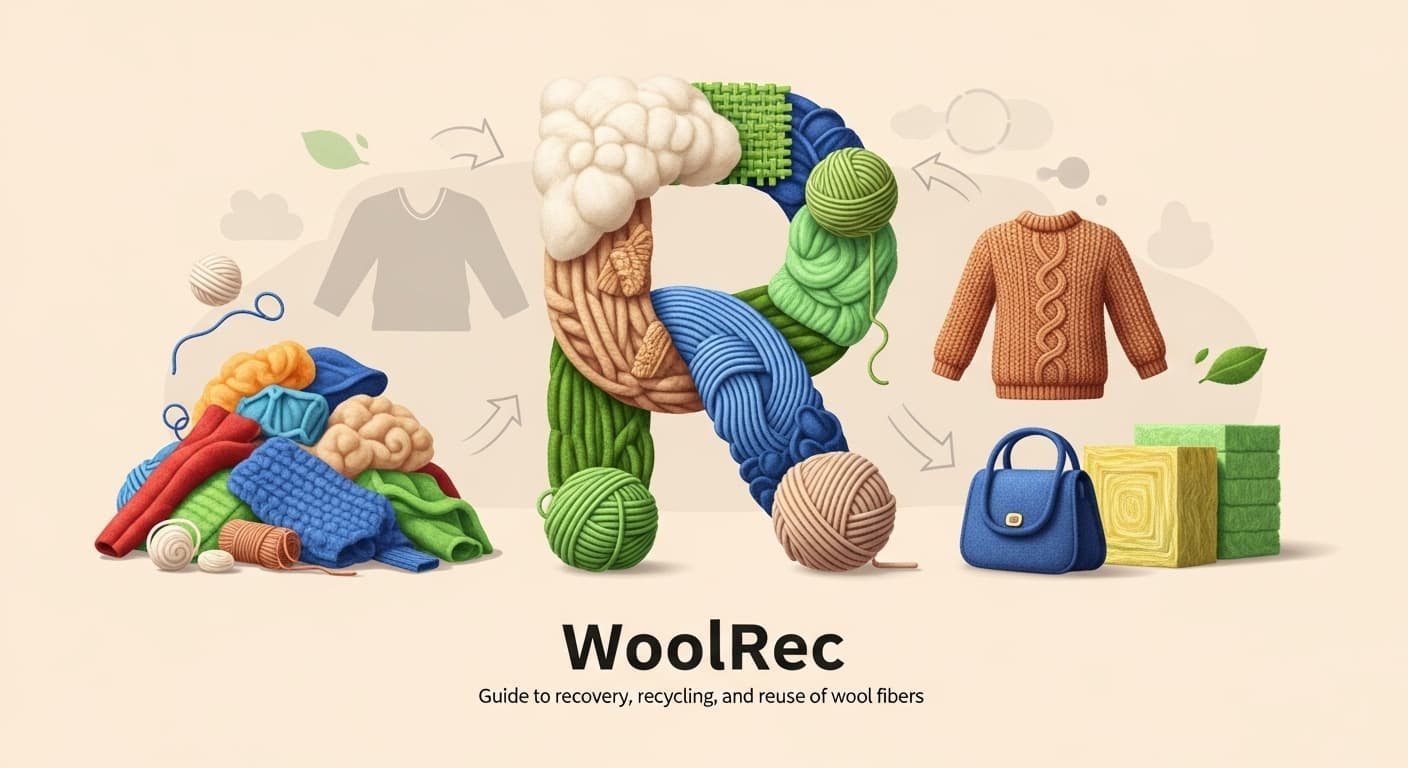
Imagine tossing an old wool sweater in the trash, only for it to sit in a landfill for decades. Now picture it reborn as a cozy new blanket or high-end coat that’s just as warm and durable. That’s the magic of Woolrec, a smart, circular recycling system turning post-consumer wool garments, factory scraps, and offcuts into premium new fibers.
In a world drowning in textile waste, Woolrec offers a practical, planet-friendly way forward. If you care about sustainable fashion or home goods, this guide breaks down everything you need to know.
What is Woolrec?
Woolrec is the recovery, recycling, and reuse of wool fibers. Instead of letting natural wool end up in landfills, it collects used sweaters, coats, scarves, and manufacturing leftovers, then processes them into high-quality yarns and fabrics.
Unlike synthetic recycling, Woolrec keeps wool’s natural goodness, breathability, warmth, and biodegradability intact while closing the loop in the textile industry.
Why Woolrec Matters Today
The fashion industry throws away millions of tons of clothing every year. Wool, though biodegradable, often mixes with synthetics or gets dumped. Woolrec matters because it cuts that waste dramatically.
Recent life-cycle assessments (like those on MWool® recycled wool) show recycled wool uses up to 99% less water and 96% less energy than virgin wool. In the USA, where consumers buy more clothes than ever, Woolrec helps brands and everyday people fight climate change and landfill overload right now.
How the Woolrec Process Works
The process is straightforward and effective:
- Collection: Wool items come from donations, brand take-back programs, and factory scraps.
- Sorting: Fibers are separated by color, quality, and type (no synthetics mixed in).
- Cleaning: Dirt, dyes, and impurities are removed with eco-friendly methods.
- Reprocessing: Clean fibers are mechanically shredded and spun into new yarns or nonwoven materials.
- Manufacturing: The recycled wool becomes fresh products.
This mechanical approach (no harsh chemicals) keeps the fiber strong and soft, ready for its next life.
Advantages of Woolrec
Woolrec fibers feel and perform like new wool but with a fraction of the impact. They’re cost-effective for makers, durable for users, and naturally fire-resistant, moisture-wicking, and insulating. Plus, they create jobs in sorting and processing while appealing to eco-conscious shoppers who want guilt-free warmth.
Applications of Woolrec
Woolrec fibers are incredibly versatile. You’ll find them in everyday fashion, cozy home items, and tough industrial products. The same recycled wool that makes a soft sweater can also insulate a building or line a car door.
Benefits of Wool Recycling
Beyond Woolrec specifically, wool recycling slashes carbon emissions. One study found that a recycled wool jumper produces just 1.56 kg CO₂e compared to 21.93 kg for virgin wool (a 93% drop).
It diverts waste, conserves land and water used for sheep farming, and keeps biodegradable fibers out of incinerators. Economically, it lowers raw-material costs and opens new revenue streams for brands.
Woolrec for Fashion Brands
Fashion brands love Woolrec because it helps them hit sustainability targets without sacrificing style. Using recycled wool cuts their carbon footprint, meets consumer demand for green products, and can lower production costs.
Brands like Organic Basics and Anian already create beautiful sweaters and jackets from post-consumer recycled wool, exactly the Woolrec model, and see higher customer loyalty as a result.
Woolrec for Home Textiles
Your couch, bed, and floors can go greener, too. Woolrec recycled wool makes plush blankets, rugs, cushions, and upholstery that feel luxurious and last longer. The natural insulation keeps rooms warmer in winter and cooler in summer, all while being fully biodegradable at the end of their life.
Industrial Uses of Recycled Wool
Don’t overlook the heavy-duty side. Recycled wool excels as building insulation (better moisture control and fire resistance than many synthetics), soundproofing panels for offices, and automotive interiors. It’s lightweight, durable, and helps car makers meet strict eco-regulations.

The Environmental Importance of Woolrec
Virgin wool production needs huge amounts of land, water, and energy for sheep farming and processing. Woolrec skips most of that. Life-cycle studies prove that it dramatically lowers greenhouse gases, reduces pollution, and keeps wool cycling instead of rotting in landfills. In short, every Woolrec sweater you buy (or an old one you donate) is a direct win for the planet.
Why Choose Woolrec
You get premium performance with a clear conscience. Woolrec fibers maintain softness, strength, and warmth while costing less to produce and doing far less harm. For shoppers and businesses alike, it’s the smartest way to enjoy wool without the environmental guilt.
Woolrec Success Stories
Real brands are already proving it works. Italian recycler Manteco’s MWool® process (a Woolrec-style system) supplies top fashion houses with closed-loop recycled wool that cuts carbon by over 90%.
In the UK and North America, companies like Dedicated and Anian turn post-consumer wool into best-selling sweaters and jackets. Partner cities have diverted thousands of kilograms from landfills, proof that small actions scale fast.
Challenges Facing Woolrec
No system is perfect yet. Collecting enough clean wool at scale needs better logistics. Blended fabrics (wool + polyester) are harder to separate, and fibers can lose a bit of length after multiple cycles. Consumer awareness is still growing, too. Luckily, new sorting tech and awareness campaigns are solving these fast.
Why Sustainable Textiles Matter
Fast fashion has made textiles the second-most-polluting industry after oil. Sustainable options like Woolrec help reverse that by cutting waste, emissions, and resource use. When we choose circular materials, we protect ecosystems, support ethical jobs, and leave a healthier world for the next generation.
The Future of Woolrec
By 2030, expect AI-powered color sorting, blockchain traceability for every fiber, and chemical-free methods to handle blends. Government rules (like the EU’s textile recycling mandates) will push more adoption in the USA, too. Woolrec isn’t just a trend; it’s becoming the standard for responsible wool.
FAQs
What products can be made from Woolrec fibers?
Everything from sweaters, coats, and scarves to blankets, rugs, upholstery, insulation, and car interiors.
How does Woolrec collect wool?
Through donations from individuals, brand take-back programs, and partnerships with factories supplying scraps.
Is recycled wool as durable as new wool?
Yes! Advanced processing keeps the fiber strong, soft, and long-lasting. Studies confirm recycled wool performs just as well.
How can fashion brands benefit from Woolrec?
Lower carbon footprint, cheaper production, happier eco-conscious customers, and easier compliance with green regulations.
Can anyone participate in Woolrec?
Absolutely! Donate old wool clothes, buy recycled wool products, or partner as a brand or business.
Conclusion
Woolrec turns waste into wonder, delivering high-quality, planet-friendly textiles without compromise. Whether you’re a shopper, brand owner, or just someone who cares about the environment, joining the Woolrec movement is one of the easiest ways to make a real difference.
Start today: donate that old sweater, choose a recycled-wool piece next time you shop, and watch the circular economy grow stronger. Your next cozy purchase could help save the planet. What are you waiting for?