









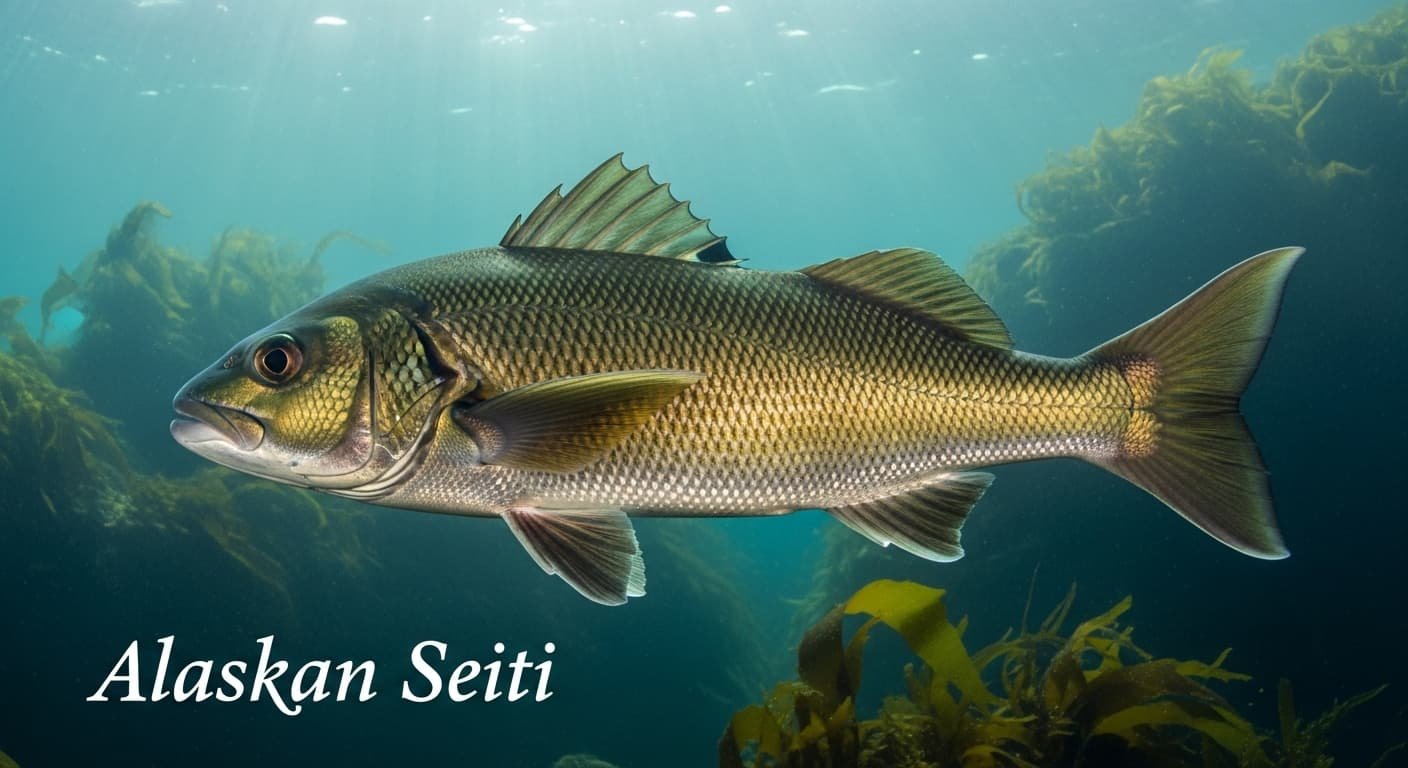
Imagine biting into a perfectly flaky piece of fish that tastes clean and light, no strong “fishy” smell, no heavy oiliness, just pure, versatile goodness that works in everything from quick weeknight tacos to fancy sushi rolls. That’s Alaskan Seiti for you. It’s flying under the radar in many kitchens, yet it’s one of the most sustainable, nutritious, and affordable seafood options on the planet. If you’ve ever eaten fish sticks, imitation crab in California rolls, or a McDonald’s Filet-O-Fish, chances are you’ve already enjoyed it without knowing the name.
In this complete guide, we’ll cover everything: what Alaskan Seiti really is, where it comes from, why it’s a nutritional superstar, how to cook it like a pro, what to watch out for, and answers to the questions people ask most. By the end, you’ll see why this humble white fish deserves a permanent spot in your shopping cart and meal rotation. Let’s dive in, pun intended!
What Is Alaskan Seiti?
Alaskan Seiti is simply the friendly consumer name used in some markets (especially in parts of Europe, such as Finland, where it’s called Alaskanseiti) for Alaska pollock (Gadus chalcogrammus). It belongs to the cod family (Gadidae), which explains its mild flavor and snowy-white flesh. Don’t let the “pollock” name confuse you; it’s not the same as Atlantic pollock. This one is leaner, whiter, and gentler on the palate.
The fish grows to about 55-75 cm (around 2 feet) and has a speckled, camouflaged look that helps it blend into the sandy ocean floor. It’s a fast-growing, short-lived species that swims in huge schools in the cold North Pacific. People sometimes call it walleye pollock or Pacific pollock, but “Alaskan Seiti” highlights its clean Alaskan origins and makes it sound more approachable on supermarket labels.
Where Does It Come From? The Story of the Bering Sea
Alaskan Seiti calls the icy waters of the Bering Sea and Gulf of Alaska home, the nutrient-rich “salad bowl” of the North Pacific. These waters are so productive that Alaska pollock is the second-most-caught fish species in the world (after Peruvian anchoveta), with around 3 million metric tons harvested annually. The U.S. fishery alone pulls in over a million tons each year, mostly from the eastern Bering Sea.
What makes it special? Strict science-based management. Fishery quotas are adjusted yearly based on stock assessments, and the U.S. Alaska pollock fishery has earned Marine Stewardship Council (MSC) certification multiple times. Targeted mid-water trawling keeps bycatch low, protecting other marine life. It’s a rare win-win: healthy oceans, strong local economies, and thousands of jobs supported in Alaska.
Fun fact: In Korea, this fish is practically a national treasure called myeongtae. They eat it fresh, dried, or as roe (mentai-ko), and it has been part of their cuisine since the 1600s. That’s how beloved this unassuming fish truly is across cultures!
Nutritional Powerhouse: Why Alaskan Seiti Is Secretly Superfood
Don’t let the mild taste fool you, this fish packs a serious nutritional punch without the calories.
- High-quality protein: About 20 grams per 100-gram serving, perfect for building muscle, staying full, and supporting metabolism.
- Ultra-low fat and calories: Roughly 92 calories and less than 1 gram of fat per 100 grams. Ideal for weight management.
- Omega-3s (DHA & EPA): While not as oily as salmon, it still delivers heart- and brain-friendly fatty acids.
- Key vitamins & minerals: Vitamin B12 (over 100% of daily needs in some servings, for nerve health and energy), selenium (antioxidant powerhouse), phosphorus (strong bones), niacin, and more.
Because it’s low in mercury (thanks to its position in the food chain and cold-water habitat), Alaskan Seiti is safe for pregnant women, kids, and anyone who wants to eat fish several times a week. It supports heart health, reduces inflammation, and keeps you energized without weighing you down. Compared to fattier fish, it’s lighter on the stomach yet still delivers ocean-fresh goodness.
Taste, Texture, and Why It Feels Like a Blank Canvas
Here’s the magic: Alaskan Seiti has a delicate, slightly sweet flavor that’s never overpowering. The flesh is white, flaky, and tender when cooked right. It absorbs seasonings beautifully, think lemon, garlic, herbs, or spicy marinades. It’s similar to cod or haddock but often milder and more affordable. No wonder it’s the star of surimi (imitation crabmeat) and breaded fish products worldwide.
How to Cook Alaskan Seiti: Easy, Delicious Ideas for Every Day
Its versatility is unmatched. Here are practical ways to bring it to your table:
- Baked Fillets: Season with olive oil, lemon, dill, and a pinch of paprika. Bake at 400°F (200°C) for 12–15 minutes, for a healthy, hands-off dinner.
- Crispy Fish Tacos: Pan-fry or air-fry coated pieces, then stuff into warm tortillas with cabbage slaw, avocado, and lime crema.
- Fish Cakes or Burgers: Mix flaked cooked Seiti with breadcrumbs, egg, herbs, and a bit of mustard. Pan-fry until golden, kid-approved!
- Stews and Soups: Add chunks to chowder or Thai-style coconut broth. Its mild taste lets other flavors shine.
- Grilled or Steamed: Perfect for summer BBQs or delicate steaming with ginger and soy for an Asian twist.
- Surimi-Style at Home: Use it to make your own crab cakes or add to sushi bowls.
Pro tip: Thaw frozen fillets in the fridge overnight for the best texture. Pat dry before cooking to get a nice sear.
Sustainability and the Bigger Picture
In a world full of overfished species, Alaskan Seiti stands out. The U.S. fishery is one of the best-managed on Earth, earning MSC certification and even the Ocean Champion Award. Choosing it supports responsible practices that protect the entire Bering Sea ecosystem. Plus, it reduces pressure on more vulnerable fish, such as some wild salmon or tuna.
What to Avoid When Buying and Cooking Alaskan Seiti
To get the best experience and stay eco-friendly, keep these points in mind:
- Avoid double-frozen or low-quality blocks: They can turn mushy. Look for “single-frozen” or fresh fillets when possible.
- Don’t overcook it: This lean fish dries out fast. Cook just until it flakes easily (internal temp around 145°F/63°C).
- Skip unlabelled or non-MSC sources: Prefer certified Alaskan or U.S. origin over unregulated imports for sustainability.
- Don’t refreeze thawed fish: It ruins texture and safety.
- Avoid pairing with heavy, oily sauces if you want to keep it light: Let its natural mildness shine with fresh herbs and citrus instead.
- Watch sodium in processed products: Breaded fish sticks or surimi can be high in salt; read labels.
Buying from reputable grocers or direct Alaskan seafood suppliers ensures top quality and traceability.
FAQs
- Is Alaskan Seiti the same as Alaska Pollock?
Yes! “Seiti” is simply a market-friendly name used in some countries for the same fish (Gadus chalcogrammus).
- Is it healthy to eat regularly?
Absolutely. It’s high in lean protein, low in calories and fat, rich in omega-3s and B12, and very low in mercury, safe for the whole family, including pregnant women and kids.
- Does it taste fishy?
Not at all! Its mild, delicate flavor makes it one of the least “fishy” white fishes, perfect for picky eaters.
- How sustainable is Alaskan Seiti?
Extremely. The U.S. Alaska pollock fishery is MSC-certified with strict quotas and low bycatch. It’s one of the most responsibly managed fisheries globally.
- What’s the best way to store it?
Fresh fillets keep 1-2 days in the fridge. Frozen lasts 3-6 months. Always thaw in the fridge, never on the counter, to preserve texture and safety.
Conclusion
Alaskan Seiti isn’t flashy like salmon or exotic like Chilean sea bass, but that’s exactly what makes it special. It’s the reliable, everyday hero that delivers big on nutrition, sustainability, and flavor without breaking the bank or the planet. Whether you’re feeding a family on a budget, aiming for heart-healthy meals, or just want a versatile protein that plays nice with any cuisine, this mild white fish has your back.
Next time you’re at the seafood counter or scrolling your grocery app, give Alaskan Seiti a try. You’ll be surprised how quickly it becomes your new go-to. Healthy oceans, happy meals, and satisfied taste buds, all from one unassuming fish from the cold waters of Alaska. Your dinner table (and the planet) will thank you.
Ready to cook? Grab some fillets this week and experiment. What’s your favorite way to enjoy white fish? Drop it in the comments, we’d love to hear!