









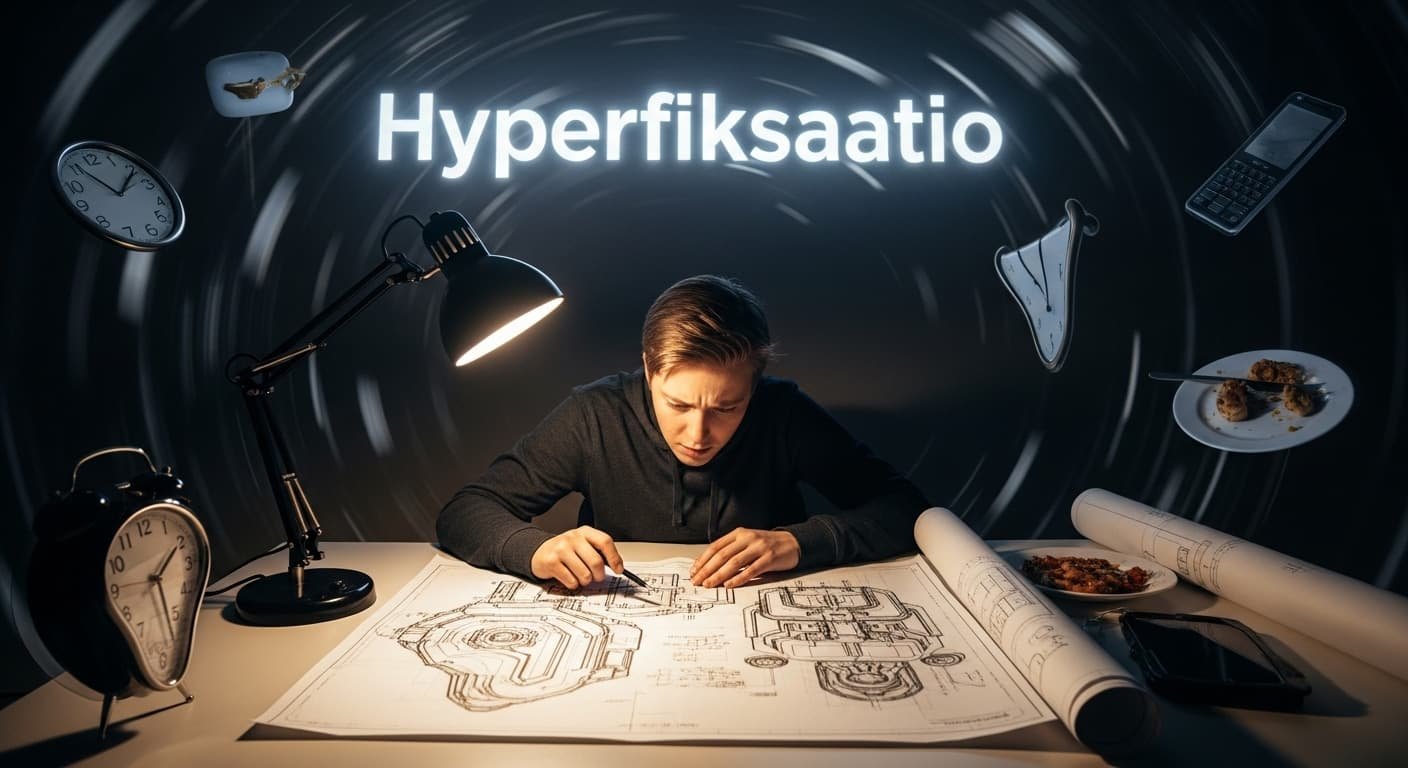
Have you ever sat down to work on something you love and suddenly looked up to realize hours have vanished? You skipped meals, ignored texts, and felt completely “in the zone.” That intense, all-consuming state is what Finns call Hyperfiksaatio, the Finnish term for hyperfixation or hyperfocus. It’s gaining global attention because it’s not just a quirky habit; it’s a real psychological experience tied to how our brains chase dopamine and reward. Whether you have ADHD, are neurodivergent, or simply get lost in a passion project, understanding hyperfiksaatio can unlock massive productivity while helping you avoid burnout.
In this in-depth guide, you’ll discover what it really is, the science behind it, its surprising benefits and hidden costs, and practical 2026-ready strategies to harness it for better learning, work, creativity, and everyday life. Let’s dive in so you can turn this double-edged superpower into your greatest advantage.
What Is Hyperfiksaatio and Why It Matters
Hyperfiksaatio describes a state of deep, immersive concentration where everything else fades away. Time distorts, distractions disappear, and you pour laser-like attention into one task, hobby, or idea. Unlike ordinary focus, it feels effortless and rewarding, often triggered by high-interest activities.
Why does it matter in 2026? In a world of constant notifications and AI distractions, hyperfiksaatio offers a rare edge: the ability to achieve flow-like productivity that neurotypical people envy. Yet when unmanaged, it leads to missed deadlines, strained relationships, and exhaustion.
Recent research shows that adults who recognize hyperfocus as a strength report higher well-being and life satisfaction. Mastering it isn’t about fighting your brain; it’s about working with it for extraordinary results in work, learning, and personal growth.
The Psychology Behind Hyperfiksaatio
At its core, hyperfiksaatio is driven by the brain’s dopamine system. When something sparks genuine interest, your reward pathways light up, creating intense motivation and sustained attention. This is especially common in ADHD brains, where everyday tasks feel boring (low dopamine), but passionate ones deliver a powerful hit.
A 2025 study in Psychological Medicine found that people with ADHD strongly endorse hyperfocus as a personal strength, alongside creativity and spontaneity, more than those without ADHD. Another 2026 analysis linked it to cognitive-affective flexibility, in which emotional reactivity can either fuel hyperfiksaatio or make it harder to switch tasks. In short, it’s not a flaw; it’s your brain’s way of compensating for attention challenges by locking in when the reward feels right.
Causes and Triggers of Hyperfiksaatio
Common triggers include high-interest topics (gaming, research, creative work), stress or anxiety (as an escape), novelty, or even boredom with routine tasks. Neurodivergent individuals, especially those with ADHD or autism, experience it more intensely due to differences in executive function and sensory processing.
External factors like social media algorithms, caffeine, or deadline pressure can amplify it. A 2024 study on university students showed executive function challenges directly mediate the link between ADHD symptoms and hyperfocus episodes.
Symptoms and Signs of Hyperfiksaatio
You might notice:
- Losing track of time for hours or days
- Ignoring hunger, thirst, or basic needs
- Feeling restless or irritable when interrupted
- Hyper-absorption where the world “disappears.”
- Intense emotional highs during the activity, followed by crashes
These signs feel exhilarating but can signal when hyperfiksaatio shifts from helpful to harmful.
How to Differentiate Between Positive and Negative Hyperfocus
Positive hyperfocus (often called hyperfocus) is task-oriented and goal-driven, leading to accomplishment, like crushing a work project or mastering a skill. It boosts productivity and self-esteem.
Negative hyperfixation feels more obsessive and prolonged, often on hobbies or distractions, leading to neglected responsibilities. The key difference? Outcome and control. If it enhances your life without major fallout, it’s positive. If it causes regret or imbalance, it’s tipping negative.
Benefits of Hyperfiksaatio
When channeled well, hyperfiksaatio is a superpower:
- Skyrocketed productivity: One study found 30% of participants reported major work gains in creative or flexible roles.
- Deeper learning and mastery: You absorb complex information faster.
- Heightened creativity: The “zone” sparks innovative ideas.
- Greater life satisfaction: Recognizing it as a strength correlates with better mental health, per 2025 research.
Hyperfiksaatio and Creativity
Creatives love hyperfiksaatio because it fuels flow states where ideas pour out effortlessly. Writers, artists, and developers often credit marathon sessions for breakthroughs. A 2025 review highlighted how hyperfocus enhances divergent thinking, your brain connects dots others miss.
How Hyperfiksaatio Affects Learning and Work
In learning, it accelerates skill acquisition but can cause “all-or-nothing” study binges. At work, it shines in roles needing deep focus (coding, research), yet risks missing meetings or burnout in structured environments. Flexible 2026 workplaces increasingly value this trait.
Challenges of Hyperfiksaatio
The downsides are real: neglected relationships, physical strain (poor posture, skipped meals), procrastination on “boring” tasks, and emotional crashes afterward. Untamed, it contributes to anxiety and reduced overall life balance.
Real-Life Examples of Hyperfiksaatio in Action
Picture a software engineer in Austin, Texas, who hyperfixates on debugging code for 14 hours straight, delivering flawless work but forgetting family dinner. Or a college student binge-reading psychology texts for days, acing exams yet bombing unrelated classes. A graphic designer might lose herself in a passion project, creating award-winning art while her inbox piles up. These stories show both the magic and the mess.

Managing Hyperfiksaatio: Tips and Strategies
Start small:
- Use timers (Pomodoro with longer cycles works wonders).
- Build routines and body-doubling (work alongside someone).
- Set clear boundaries and daily intentions.
Coping Strategies for People with Hyperfiksaatio
Journal triggers, practice mindfulness to notice when you’re slipping in, and enlist accountability partners. Cognitive behavioral techniques help reframe interruptions as resets rather than threats. Exercise and varied dopamine sources (short walks, new hobbies) prevent over-reliance on one fixation.
Managing Hyperfiksaatio Effectively
Combine self-awareness with tech: apps like Freedom or Focus@Will block distractions, while wearables alert you to posture or time. Professional support, therapy, or ADHD coaching makes long-term balance achievable.
Misconceptions and Myths about Hyperfiksaatio
Myth 1: “It’s just laziness or lack of willpower.” Reality: It’s a neurological feature, not a choice.
Myth 2: “Only people with ADHD experience it.” Anyone can, though it’s more intense for neurodivergent folks.
Myth 3: “Hyperfiksaatio is always bad.” When harnessed, it’s a documented strength linked to well-being.
Hyperfiksaatio in Everyday Life
From scrolling endlessly on a hobby subreddit to hyperfixating on home organization, it shows up daily. In 2026’s fast-paced world, it helps parents focus on quality family time or side-hustle creators build empires when managed.
Future of Hyperfiksaatio
As AI handles routine tasks, hyperfiksaatio will become even more valuable for creative, strategic human work. Expect more research on brain-training tools and workplace accommodations that celebrate this strength rather than pathologize it.
Hyperfiksaatio vs. Hyperfocus: Clearing the Confusion
Hyperfocus is a shorter, goal-driven flow. Hyperfixation lingers longer on interests and feels harder to exit. Understanding the nuance helps you direct the right type toward productive outcomes.
Best Tools for Hyperfiksaatio in 2026
Try Notion templates for task batching, RescueTime for tracking, or AI focus coaches that gently nudge you. These turn your natural intensity into a sustainable superpower.
FAQs
- Is hyperfiksaatio only for people with ADHD?
No, while far more common in ADHD and autism, anyone can experience it during high-interest moments. Neurodivergent brains just feel it more intensely.
- How do I know if my hyperfiksaatio is becoming a problem?
If it consistently causes you to miss deadlines, skip self-care, or strain relationships, it’s time for strategies or professional support.
- Can medication or therapy help manage hyperfiksaatio?
Yes. ADHD medications often reduce intensity, while CBT and mindfulness build awareness and control.
- Are there apps specifically designed for hyperfiksaatio?
Absolutely. Freedom, Focusmate, and Forest use gamification and blocking to help you ride the wave without drowning in it.
- Can hyperfiksaatio actually make me more successful?
100%. 2025 research shows adults who embrace it as a strength enjoy higher productivity, creativity, and overall happiness when paired with simple management tools.
Conclusion
Hyperfiksaatio isn’t a flaw; it’s a feature of how your brain lights up for what matters. By understanding the psychology, celebrating the benefits, and applying these evidence-based strategies, you can transform intense focus from a chaotic force into your secret weapon for 2026 and beyond.
Which tip will you try first? Drop it in the comments, share this guide with a fellow deep-focus friend, and subscribe for more neuroscience-backed productivity insights. Your most productive self is waiting. Let’s unlock it together.