








Living with joint pain can feel frustrating and scary, especially when headlines promise “cures” or miracle fixes. If you’re searching “Can arthritis be reversed?” you’re not alone. Millions of Americans ask the same question every day. The honest answer? Arthritis itself cannot be fully reversed in most cases, but major symptom relief, slowed progression, and even partial cartilage repair are absolutely possible with today’s tools.
In this guide, we’ll break down the latest 2026 science in plain English, share practical steps that actually work, and give you clear next steps, so you can feel more in control starting today.
What Is Arthritis?
Arthritis is not just one disease; it’s a group of more than 100 conditions that cause inflammation, pain, and stiffness in your joints. According to the latest CDC data, about 21.3% of U.S. adults (roughly 67 million people) have diagnosed arthritis.
It’s the leading cause of disability in America and affects people of all ages, including 220,000 children. Simply put, arthritis happens when the protective cushioning in your joints breaks down, or your immune system mistakenly attacks healthy tissue.
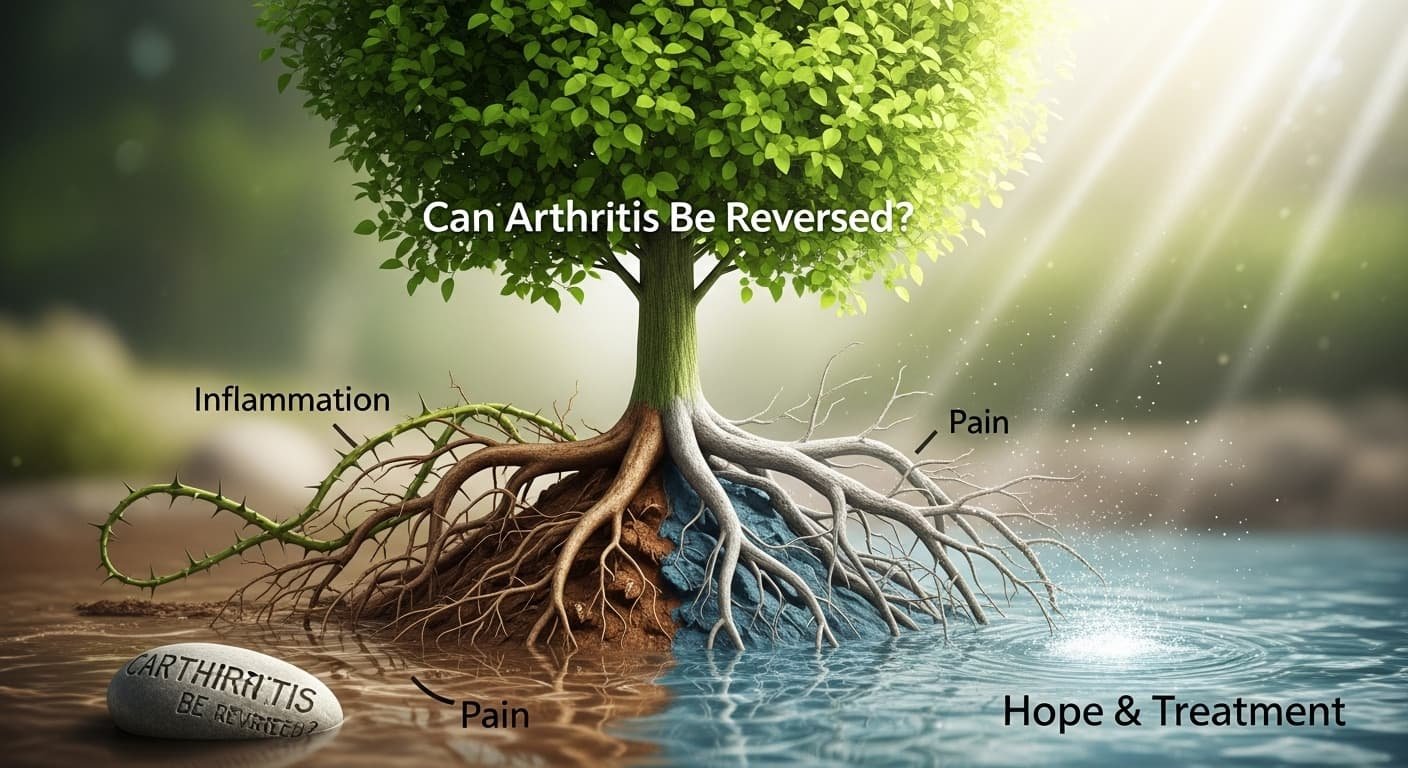
Can Arthritis Be Reversed?
Here’s the straight talk: No, arthritis cannot be completely reversed for most people. Once cartilage wears away or joints are damaged, the body doesn’t naturally grow it back like new. However, exciting 2025-2026 research is changing the conversation. Stanford scientists discovered that blocking a specific “gerozyme” protein reversed age-related cartilage loss in mice and prevented arthritis after knee injuries, raising real hope for future human treatments.
Other programs, like the U.S. government’s ARPA-H NITRO initiative, are fast-tracking injectable therapies that could regenerate entire joints within the next few years. So while full reversal isn’t here yet, “disease modification” and major improvement are within reach right now.
Is Arthritis Curable?
Arthritis is not curable today. It’s a chronic condition, like high blood pressure or diabetes. But it is highly manageable. Many people achieve long periods of remission (especially with rheumatoid arthritis) where pain and swelling almost disappear. Early diagnosis and consistent care can stop it from getting worse and help you stay active for decades.
Symptoms of Arthritis
Common warning signs include:
- Joint pain that worsens after activity or in the morning
- Stiffness lasting more than 30 minutes
- Swelling, warmth, or redness around joints
- Reduced range of motion or grinding feelings
- Fatigue and mild fever (especially in autoimmune types)
If these sound familiar, track them for a week and share with your doctor.
Types of Arthritis
The two most common types in the U.S. are:
- Osteoarthritis (OA): The “wear-and-tear” kind, cartilage thins over time. It hits knees, hips, hands, and spine most often.
- Rheumatoid arthritis (RA): An autoimmune disease where your immune system attacks the joint lining, causing symmetric swelling (both hands or knees).
Other types include gout (sudden, intense pain from uric acid crystals), psoriatic arthritis, and juvenile arthritis. Knowing your type is key because treatments differ.
What Causes Arthritis Pain?
Pain comes from three main sources:
- Inflammation: Chemicals released by your immune system irritate nerves.
- Cartilage loss: Bones rub together without their protective cushion.
- Bone changes: Spurs or extra bone growth press on the surrounding tissue.
Lifestyle factors like excess weight, previous injuries, or smoking can crank up the pain volume dramatically.
Lifestyle Strategies to Manage Arthritis
You have more power than you think. Small daily habits can reduce pain by 30-50% according to major studies.
Stay Active with Joint-Friendly Exercise
Low-impact movement is medicine. Aim for 150 minutes weekly of walking, swimming, cycling, or tai chi. These strengthen muscles around joints, improve flexibility, and cut inflammation. Start slow; water aerobics is especially kind to sore knees.
Eat an Anti-Inflammatory Diet
Load up on fatty fish, berries, leafy greens, nuts, olive oil, and turmeric. The Mediterranean diet has been shown to ease RA symptoms in as little as 12 weeks. Cut back on processed sugar and red meat, which fuel inflammation.
Maintain a Healthy Weight
Losing just 10 pounds takes 40-50 pounds of pressure off your knees with every step. Even modest weight loss can dramatically slow OA progression.
Quit Smoking and Limit Alcohol
Smoking worsens RA and slows healing. Alcohol can trigger gout flares. Cutting both gives your joints an immediate break.
Prioritize Sleep and Stress Management
Poor sleep raises inflammation. Try 7-9 hours nightly, plus gentle yoga or meditation. Apps like Calm or free arthritis-specific programs make it easy.

Medical Interventions for Arthritis Pain
When lifestyle isn’t enough, doctors offer targeted relief:
- Over-the-counter NSAIDs (ibuprofen) or prescription anti-inflammatories
- Corticosteroid or hyaluronic acid injections for quick flare relief
- Newer options like cooled radiofrequency ablation (COOLIEF) can give up to 24 months of knee pain relief
Treatments
Physical therapy teaches you proper movement and strengthening. For severe cases, joint replacement surgery (especially hips and knees) now lasts 15-20+ years with modern techniques. Biologic drugs and JAK inhibitors have revolutionized RA care, putting many patients into remission.
Promising New Research and Breakthroughs
2025-2026 brought game-changing studies. Stanford’s cartilage-regeneration injection, UCLA’s one-time injectable for full-joint repair, and early RA prevention trials mean we’re closer than ever to stopping damage before it starts. These aren’t mainstream yet, but clinical trials are enrolling now. Ask your rheumatologist if you qualify.
How Technology Is Revolutionizing Arthritis Care
Wearable trackers, AI-powered physical therapy apps, and virtual reality exercises make staying active fun and effective. Home devices like TENS units or smart knee braces give real-time feedback so you can manage pain between doctor visits.
When to Contact a Doctor
Don’t wait. See a healthcare provider if you have:
- Joint pain, swelling, or stiffness lasting more than 3 days
- Several flare-ups in a month
- Red, warm, or deformed joints
- Pain that wakes you at night or limits daily activities
Early care can prevent permanent damage.
Frequently Asked Questions
What Causes Arthritis and Can It Be Reversed?
Genetics, age, injury, obesity, and autoimmune issues play roles. It cannot be fully reversed yet, but symptoms and progression can be dramatically improved.
Why Do Some People Believe Arthritis Can Be Reversed?
Social media is full of before-and-after stories, supplement claims, and early research headlines. While some people see huge improvements, the true reversal of joint damage is still rare outside clinical trials.
How Can Lifestyle Changes Impact Arthritis Reversal?
They don’t reverse existing damage, but they can halt progression, reduce pain by half, and sometimes allow partial cartilage recovery when combined with medical care.
Where to Find Support for Arthritis Management?
The Arthritis Foundation (arthritis.org), local support groups, online communities like MyRAteam or PatientsLikeMe, and your doctor’s referral network are excellent starting points.
Who Should You Consult for Arthritis Reversal Strategies?
Start with your primary care doctor, then see a board-certified rheumatologist. For OA, an orthopedic specialist or sports medicine doctor can discuss advanced options.
Conclusion
Arthritis may not have a simple “undo” button yet, but you absolutely can take back control of your life. With the right mix of smart lifestyle changes, proven treatments, and exciting new research rolling out in 2026, most people live active, pain-reduced lives for decades. Don’t wait for perfection; start small today. Talk to your doctor, move a little more, eat a few more veggies, and stay hopeful. Your joints (and your future self) will thank you.
If this article helped, share it with someone who needs it and bookmark our site for more up-to-date arthritis tips. You’ve got this!