








Imagine waking up with a fever that spikes to 103°F every afternoon, a mysterious pink rash that vanishes by evening, and joints that feel like they’ve been hit by a truck, yet doctors initially call it “just a virus.” For thousands of Americans, this isn’t a bad flu season; it’s Still’s Disease, also known as Adult-Onset Still’s Disease (AOSD). This rare autoinflammatory condition affects about 1 in 100,000 adults, striking mostly between ages 16 and 35.
It can feel isolating and scary, but with early recognition and today’s treatments, most people manage it well and live full lives. In this guide, we’ll break down everything you need to know in plain English, from classic symptoms to the latest advances, so you or a loved one can feel empowered rather than overwhelmed.
What is Still’s Disease?
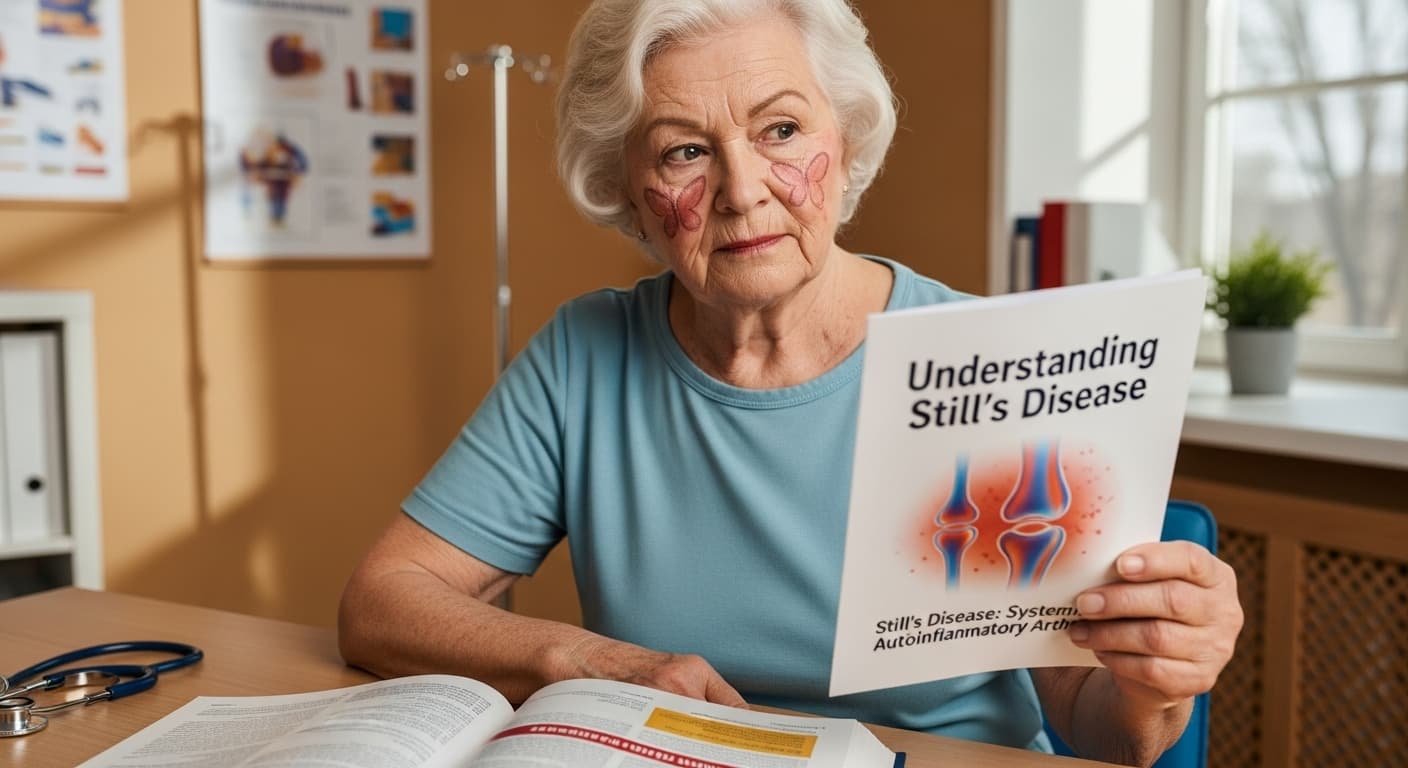
Still’s Disease is a rare systemic autoinflammatory arthritis that causes widespread inflammation in your joints, organs, and tissues. It’s the adult version of systemic juvenile idiopathic arthritis (sJIA) that kids get. Unlike typical rheumatoid arthritis, it doesn’t usually show positive rheumatoid factor or ANA tests, and it affects the whole body, not just the joints.
The disease often follows one of three patterns: a single episode that resolves (monocyclic), repeated flares with symptom-free periods (polycyclic), or ongoing chronic arthritis. Thanks to modern medicine, many people now achieve remission, meaning symptoms disappear, and life feels normal again.
Symptoms of Still’s Disease
Symptoms usually hit suddenly and can mimic infections or other illnesses, which is why diagnosis takes time. They often come in flares that last weeks or longer.
High Spiking Fevers
The hallmark is a daily fever of 102°F (38.9°C) or higher that spikes once or twice a day, often late in the afternoon or evening, and then returns to normal between spikes. This can last a week or more and leaves you exhausted.
The Evanescent Salmon-Pink Rash
A flat or slightly raised salmon-colored rash appears on your trunk, arms, or legs right when the fever peaks. It fades quickly and doesn’t itch, so many people miss it at first.
Joint and Muscle Pain
Achy, swollen, stiff joints, especially knees, wrists, ankles, and shoulders, last at least two weeks. Muscle pain (myalgia) often flares with the fever and can be severe enough to disrupt daily routines.
Sore Throat and Swollen Lymph Nodes
Many notice a severe sore throat early on, along with tender, swollen lymph nodes in the neck. Fatigue, abdominal pain, and general malaise round out the picture.
Not everyone gets every symptom, and they can vary widely from person to person.
Cause of Still’s Disease
The exact cause remains unknown, but experts believe it’s an autoinflammatory disorder where the immune system overreacts and attacks healthy tissues. A viral or bacterial infection may trigger it in people with a genetic predisposition, though it isn’t directly inherited.
Unlike autoimmune diseases, it doesn’t involve the same antibodies. Research continues into cytokines like IL-1 and IL-6, which drive the intense inflammation.
Diagnosing Still’s Disease
There’s no single blood test for Still’s Disease, so doctors use a combination of your symptoms, physical exam, and lab results while ruling out infections, cancer, or other rheumatic conditions. Key clues include very high ferritin levels (often over 1,000 ng/mL, sometimes much higher), elevated white blood cell count, and negative rheumatoid factor and ANA tests.
Imaging, such as X-rays or ultrasound checks, for joint inflammation. Diagnosis may take weeks or months because symptoms overlap with so many other illnesses.
Risk Factors
Still’s Disease most commonly strikes adults aged 15-25 or 36-46, though it can occur at any adult age. Men and women are affected equally. No strong lifestyle or environmental risk factors stand out beyond a possible infection trigger in genetically susceptible people.
Other Complications Associated With Still’s Disease
Beyond the daily symptoms, uncontrolled inflammation can lead to serious issues. Chronic joint damage is common in the wrists and knees, sometimes requiring surgery. Inflammation around the heart (pericarditis) or lungs (pleuritis with fluid buildup) can cause chest pain or breathing trouble. The most dangerous complication is Macrophage Activation Syndrome (MAS), a life-threatening overactivation of the immune system that damages organs like the liver, spleen, and kidneys. Early treatment dramatically lowers these risks.

Living with Still’s Disease: Real Experiences and Daily Management
Many patients describe the “invisible” side, extreme fatigue, brain fog, and emotional ups and downs, even on days when joints look okay. Patient stories from campaigns like #MyStills show people adapting with workplace accommodations, pacing activities, and building strong support networks. One common thread: learning to celebrate small wins and communicate openly with family and doctors makes a huge difference.
Recent Advances and Hope on the Horizon
The biggest game-changer in the last decade has been targeted biologics that block IL-1 or IL-6 pathways. Drugs like anakinra, canakinumab, and tocilizumab help many achieve remission faster and with fewer steroids. Ongoing research into JAK inhibitors and personalized medicine is giving patients even more options. Early diagnosis now leads to much better long-term outcomes than in the past.
Still’s Disease Awareness
Still’s Disease Awareness Day falls around September 7 each year, led by organizations like AiArthritis with the #MyStills campaign. Sharing stories helps reduce the years-long diagnostic delays many face and pushes for more research funding. In the U.S., the Arthritis Foundation and rare disease groups play a key role in educating the public.
When to See a Doctor
See a doctor right away if you have a persistent high fever, unexplained rash, sore throat, and joint pain that lasts more than a couple of weeks, especially if over-the-counter meds don’t help. Don’t wait; if you develop chest pain, shortness of breath, or extreme fatigue. Early evaluation by a rheumatologist can prevent complications.
Treatment
Treatment is stepwise and personalized. Mild cases may respond to NSAIDs like ibuprofen. Most need corticosteroids (prednisone) for quick control. For ongoing disease, DMARDs like methotrexate are added, followed by biologics if needed. The goal is to control inflammation, prevent joint damage, and taper steroids to avoid side effects. Many people eventually reduce or stop medications during remission.
Self Care
Self-care is powerful alongside medical treatment. Focus on anti-inflammatory eating (think Mediterranean-style with plenty of fish, fruits, vegetables, and omega-3s), gentle low-impact exercise like swimming or walking when flares allow, and prioritizing quality sleep. Stress management through mindfulness or support groups helps prevent flares. Stay hydrated, avoid smoking, and track symptoms in a journal to share with your doctor.
Prognosis: What to Expect Long-Term
With today’s treatments, most people with Still’s Disease enjoy a good quality of life. The disease may burn out after one episode, recur occasionally, or become chronic, but even then, joint protection and biologics limit damage. Regular rheumatology follow-ups are key.
FAQs
What is Still’s Disease and How Does It Affect You?
Still’s Disease is a rare autoinflammatory condition causing high fevers, rash, and joint pain that can affect your entire body. It disrupts daily life with fatigue and flares, but doesn’t have to define you; many people work, travel, and thrive with proper management.
When Should You Seek Medical Attention for Still’s Disease?
Seek care immediately for spiking fevers, rash, and joint pain lasting over two weeks, or if you experience chest pain, breathing issues, or severe fatigue. A rheumatologist can run the right tests to confirm or rule it out.
Why Is Early Diagnosis Important in Still’s Disease?
Early diagnosis prevents organ damage, reduces steroid dependence, and improves chances of remission. Delays can lead to permanent joint issues or rare complications like MAS, so acting quickly truly changes the outcome.
Where Can You Find Support for Still’s Disease?
In the U.S., connect with the Arthritis Foundation’s Live Yes! program, AiArthritis.org for the MyStills community, or the International Still’s Disease Foundation. Online Facebook groups and local support meetups provide real-talk advice from people who understand.
Who Is at Risk for Developing Still’s Disease?
Young adults aged 16-46 are most at risk, with no strong gender difference. Anyone can develop it, but a recent infection may play a role in triggering it.
Conclusion
Still’s Disease can feel overwhelming at first, but knowledge is your greatest ally. From the classic fever-rash-arthritis triad to cutting-edge biologics and simple daily self-care habits, real progress is happening every year. If you’re living with it or supporting someone who is, remember: you’re not alone.
Talk to a rheumatologist, connect with the patient community, and stay hopeful. Many people go on to live active, fulfilling lives. Share this article, mark your calendar for Still’s Disease Awareness Day, and take that first step toward feeling better today. Always consult your healthcare provider for personalized advice.